
WHAT DOES IT TAKE
TO REACH SPACE?
EVERY GREAT MISSION
STARTS WITH A QUESTION.
Choose your destination. Define the science. Set the requirements that will guide every decision you make.
GOAL → BUILD → VERIFY → LAUNCH → RESULTTHREE MISSIONS.
INFINITE POSSIBILITIES.
Different worlds. Different challenges.
One mission designer. You.
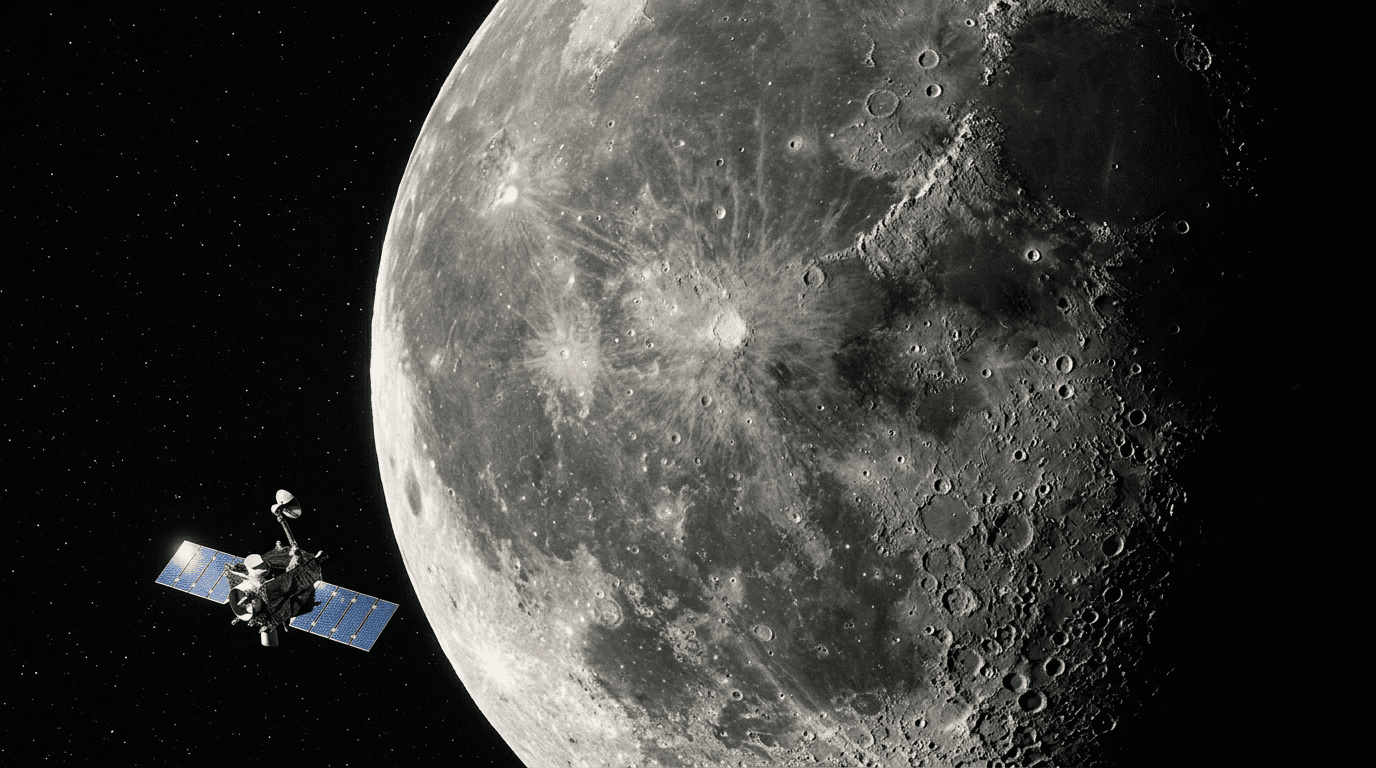 MX / 01DESTINATION: THE MOON+
Moon Mapping
Every crater has a story. Design an orbital mapping spacecraft and see the Moon in a whole new light.
Map lunar terrain · Capture surface imagery · Maintain a stable lunar orbit
Sun Watch
One star. Four perspectives. Build a coordinated constellation of small satellites in Earth orbit to study our Sun.
Coordinate four satellites · Observe solar activity · Return science data
Mars Orbiter
A world of unanswered questions. Engineer a spacecraft for the long journey to the red planet.
Reach Mars orbit · Image the surface · Sustain deep-space communications
EVERY DECISION
CHANGES
EVERYTHING.
A better camera captures more detail. It also adds mass, draws power, produces data, and costs more. In space, nothing is an isolated decision.
BASE SPACECRAFT BUS
More capability. More to carry.
Every instrument needs energy.
Discovery is only useful if it gets home.
Ambition meets a finite budget.
ILLUSTRATIVE VALUES · SIMPLIFIED EDUCATIONAL APPROXIMATIONS
FROM EARTH
TO THE UNKNOWN.
Real missions connect people, technology and discovery. MissionX brings the whole picture into focus.
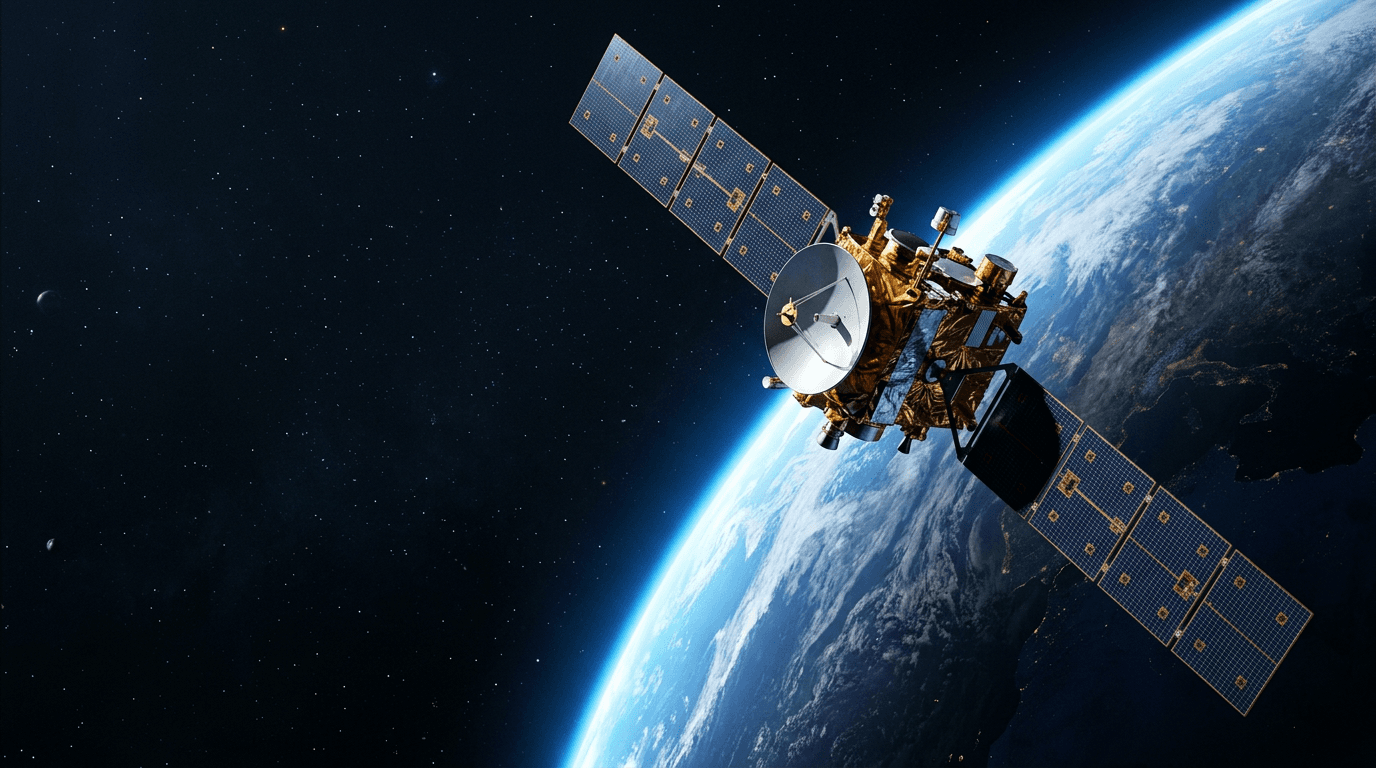 ONE CONNECTED SYSTEM. ONE SHARED PURPOSE.
The rocket and launch services that get your mission off the ground.
The spacecraft and scientific instruments that explore the unknown.
The ground stations and operations that keep your mission connected.
The scientists who turn your mission data into new discoveries.
Inspired by real mission engineering. Simplified for discovery.
MissionX uses educational simulations, not flight-ready calculations.